
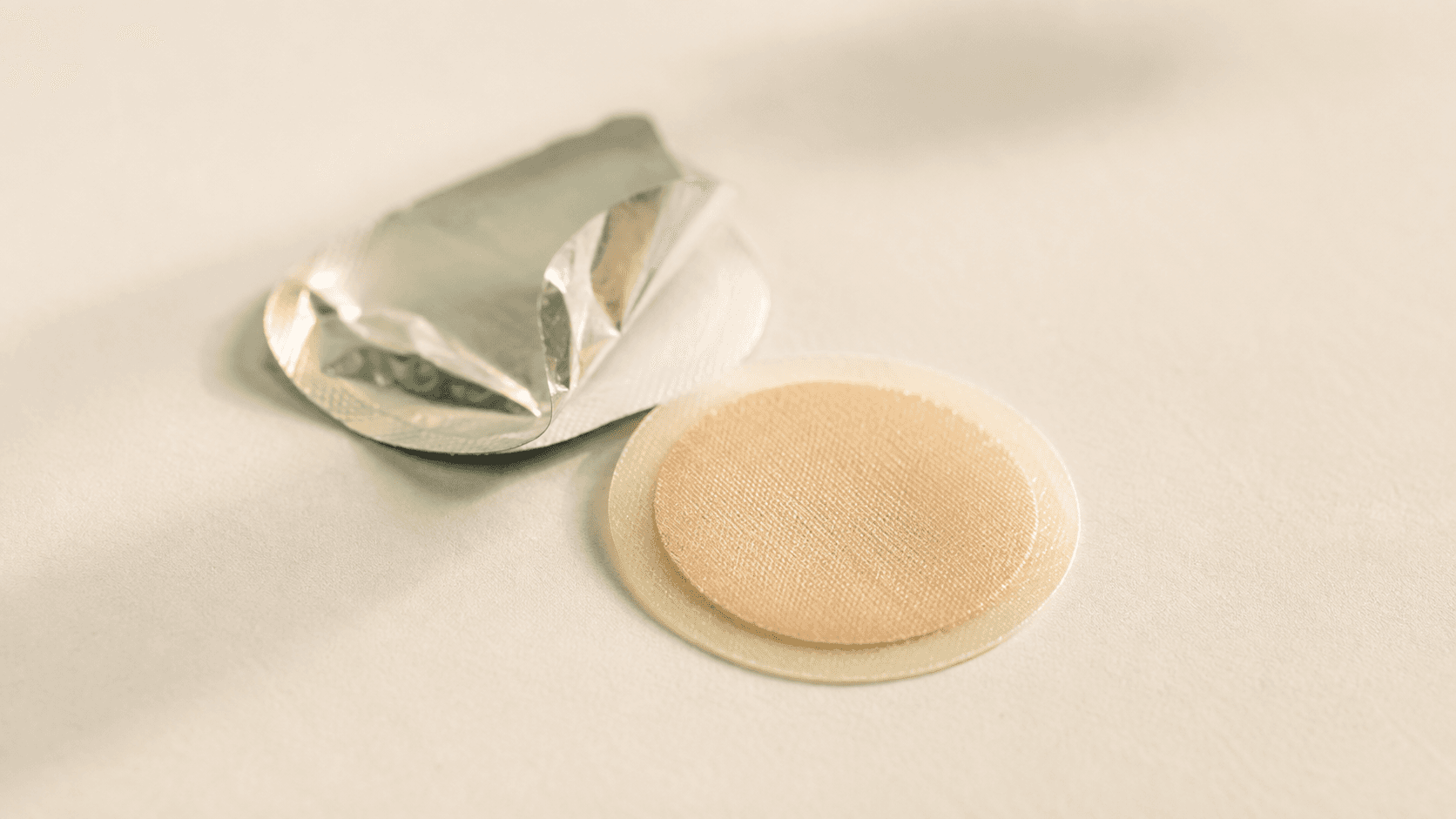
You tried the patch. For a week or two it genuinely helped — the edge came off, the mornings were easier. And then, somewhere around the day you stopped wearing it, you were back. So which was it: did the patch fail, or did you?
Neither. The patch did exactly what it's designed to do. The problem is that what it's designed to do was only ever half the job.
The short answer: yes, patches work
Let's be fair to the patch, because it's earned it. Nicotine replacement therapy is one of the most-studied quit aids in existence, and the evidence is clear that it helps. A Cochrane review of 133 trials covering more than 64,000 people found that using NRT makes you roughly 50 to 60% more likely to successfully quit than trying with none (relative risk 1.55). The patch on its own performs slightly above that average.
So if anyone tells you patches are a scam, the data disagrees. They are a real, evidence-based tool. The question is not whether they work — it's what they work on.
What a patch actually does
A patch does one specific thing well: it keeps a steady, low level of nicotine in your blood so the physical withdrawal — the restless, irritable edge — is softened. It's a chemical solution to a chemical problem, and on that front it delivers.
Three practical notes from the same body of evidence:
- Combination beats the patch alone. Using a patch plus a fast-acting form (gum or lozenge) for breakthrough cravings works better than the patch by itself. The steady patch handles the baseline; the fast one handles the spikes.
- Dose matters, and it's where people go wrong. Standard high-strength patches do better than low-strength ones, though going above the standard high dose adds nothing further. Match the strength to how much you actually smoke, and follow the pack rather than your instinct.
- On how long to stay on it, the evidence is quieter than you'd expect. Trials comparing longer patch courses with shorter ones haven't found a clear difference in quit rates. Follow the course length on the pack; there's no good evidence that stretching it out helps.
So why did the patch "not work" for you?
Here's the part the box doesn't mention. The reason millions of people finish a full course of NRT and still relapse within a year is the same reason willpower alone fails: a patch treats withdrawal, and the belief underneath isn't withdrawal.
You stopped getting nicotine from a cigarette. You got it from a patch instead. But the belief that was actually driving you — "I need something to get me through stress," "this is my break," "this is how I cope" — was sitting exactly where you left it. The patch smoothed the chemistry and left the psychology untouched. And the day the patch comes off, that belief is still there, waiting for the next hard Tuesday.
It's the same mistake we unpack in why smoking never actually relaxed you: the cigarette was relieving a discomfort it created,
and the patch is built to ease that discomfort — not the habits, cues and expectations sitting on top of it.
The honest way to use a patch
None of this means skip the patch. It means use it for what it's good at, and don't ask it to do the part it can't.
The strongest evidence for quitting isn't NRT alone or behavioural support alone — it's the two together. A patch can quiet the chemical noise enough that you have the clarity to do the actual work: catching the belief in the act, testing it, and letting the cravings pass like the waves they are. Think of the patch as the thing that steadies your hand while you dismantle the belief — not the thing that dismantles it for you.
The position this post defends
Patches work. That's not the problem. The problem is expecting a chemical tool to solve a belief problem, and then blaming yourself when it doesn't. The patch was doing its job the whole time. The other half of the job — the beliefs — was never on the patch to do.
A patch can quiet the chemical. It was never built to touch the belief.
Want to see which belief is actually holding your habit in place? Take the 3-minute Quit Profile quiz, and your personalised plan lands in your inbox the morning we launch.
Related reading:
- Why You Can't Quit Smoking (It's Not Willpower)
- Is Smoking Really Relaxing? The Science Says No
- How Long Do Nicotine Cravings Last — and What Helps
- Our Method: How the 7-Day Course Works
References
1. Lindson, N., et al. (2023). Pharmacological and electronic cigarette interventions for smoking cessation in adults: component network meta-analyses. Cochrane Database of Systematic Reviews, CD015226. https://doi.org/10.1002/14651858.CD015226.pub2
2. Theodoulou, A., et al. (2023). Different doses, durations and modes of delivery of nicotine replacement therapy for smoking cessation. Cochrane Database of Systematic Reviews, CD013308. https://doi.org/10.1002/14651858.CD013308.pub2
Frequently asked questions
Do nicotine patches actually work?
Yes. A 2018 Cochrane review of 133 trials and 64,640 people found nicotine patches raise the odds of quitting by about 64% compared with no NRT. They treat the chemical side of dependency — which is real, and only half the problem.
Why didn't the patch work for me?
Because the patch replaces the nicotine and leaves the beliefs intact. When the taper ends, the reasons you reached for a cigarette are still there. That gap, rather than weak willpower, is the part NRT was never designed to close.
Can I use nicotine patches alongside a belief-based method?
Yes. Cochrane evidence shows NRT combined with behavioural support works better than either alone. The patch steadies your chemistry while you do the belief work. Nicoxit hasn't been trialled in that combination, but nothing in the course requires you to stop using a patch.
How long should I use nicotine patches?
Follow the course length on the pack. Trials comparing longer patch courses with shorter ones haven't found a clear difference in quit rates, so there's no good evidence that staying on it longer helps. If you're pregnant, or being treated for a heart condition, whether and how to use a patch is a decision to make with the person treating you — not from a pack insert or an article.
Are nicotine patches safer than smoking?
Yes. Patches deliver nicotine without combustion, and it's the burning — tar, carbon monoxide, cancer-causing chemicals — that causes most smoking harm. Nicotine is addictive, but it is not the main driver of smoking-related cancer or lung disease.