Nicoxit press kit
Facts about Nicoxit for journalists, researchers and anyone writing about the app. Everything on this page can be quoted as written. For anything not covered here, write to contact@nicoxit.app.
Nicoxit in one sentence
Nicoxit is a quit-nicotine app from Quitzen Studio LLP: a 7-day guided journey built to dissolve the desire to smoke or vape.
Fact sheet
| Name | Nicoxit (one word) |
|---|---|
| What it is | A quit-nicotine app for iPhone and Android. It is not a medicine and contains no nicotine |
| Made by | Quitzen Studio LLP |
| Founded | 2026 |
| Registered office | Aligarh, Uttar Pradesh, India |
| Founder | Suman Sharma |
| Available on | Google Play and the App Store |
| Nicotine forms covered | Cigarettes, vapes, hookah and IQOS (heated tobacco) |
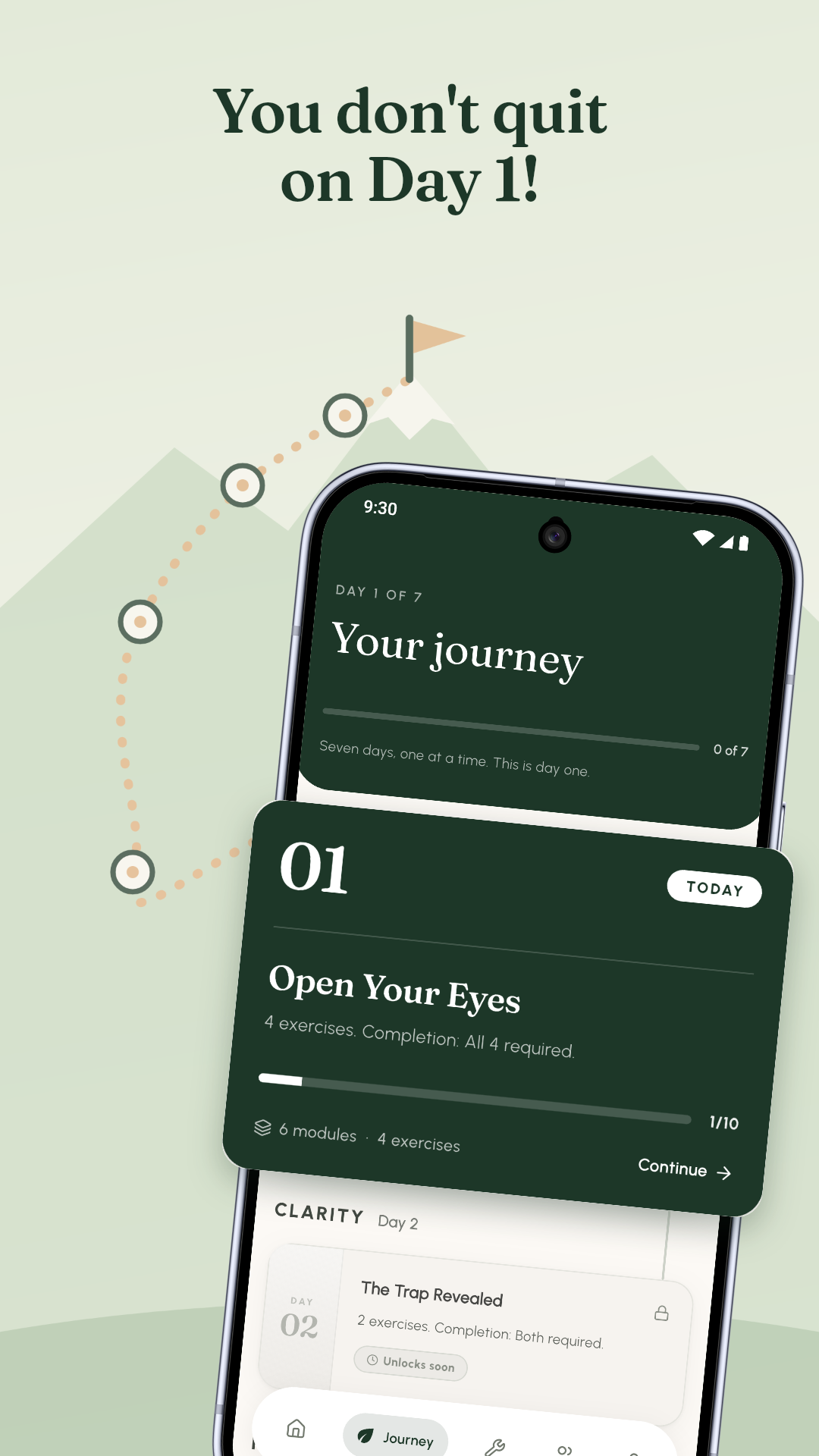
| Format | A 7-day course of 31 short modules, about 40 minutes a day, with written exercises and in-app tools |
| Method | The Borrowed Beliefs model, from Nicoxit |
| During the course | Users keep using nicotine as normal until Day 7 |
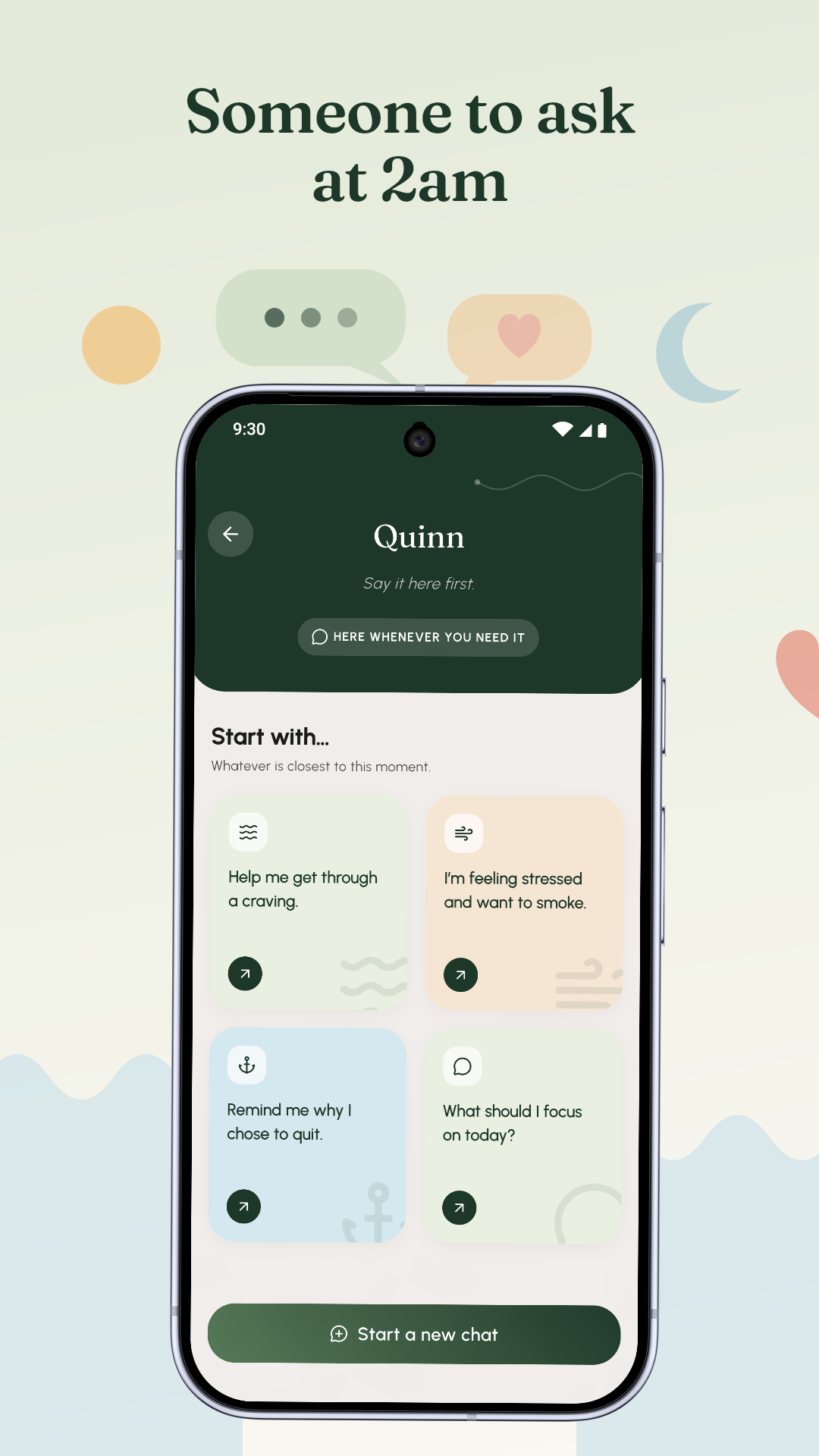
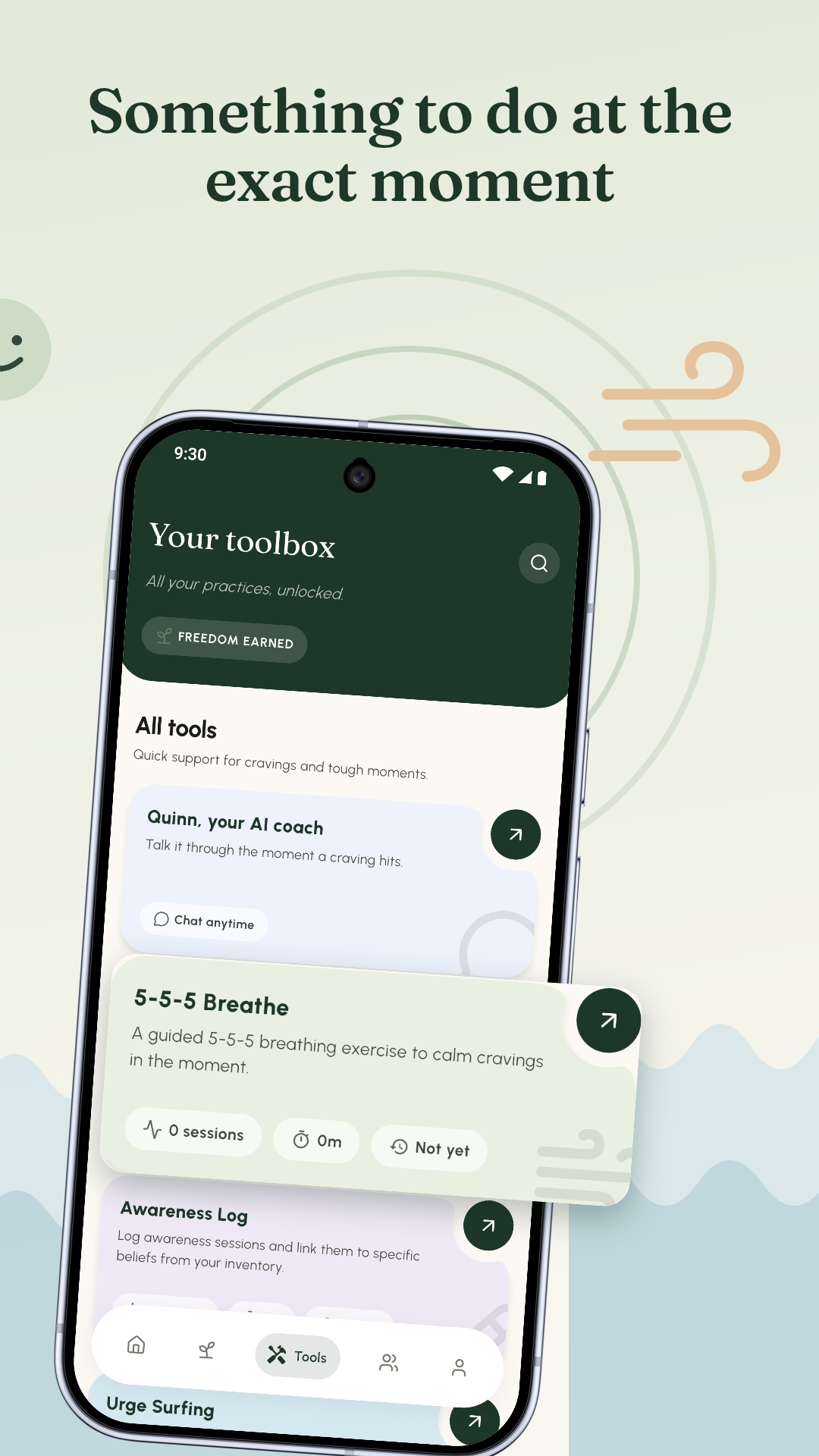
| AI coach | Quinn, a quit coach inside the app. Not a therapist or a doctor |
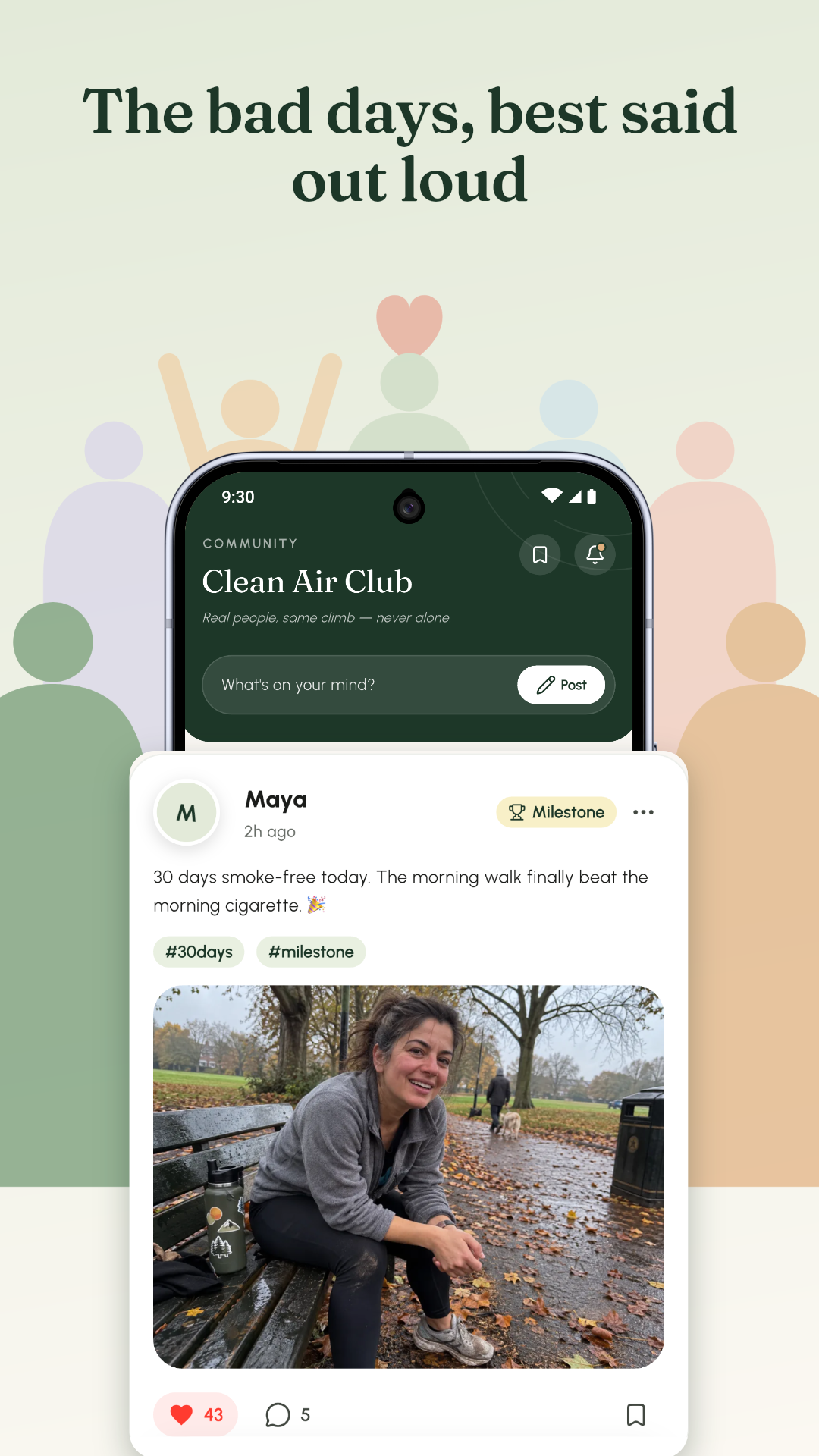
| Community | Clean Air Club, inside the app |
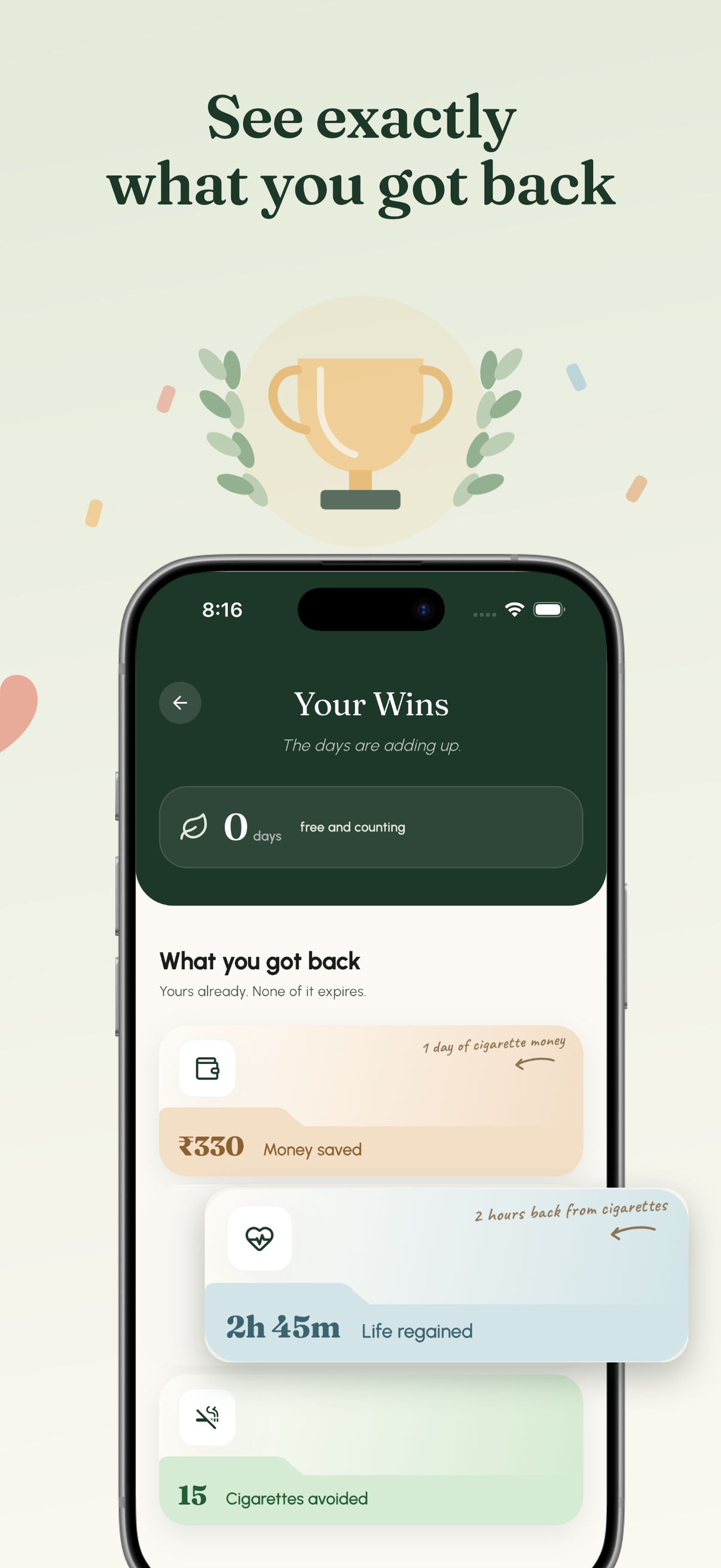
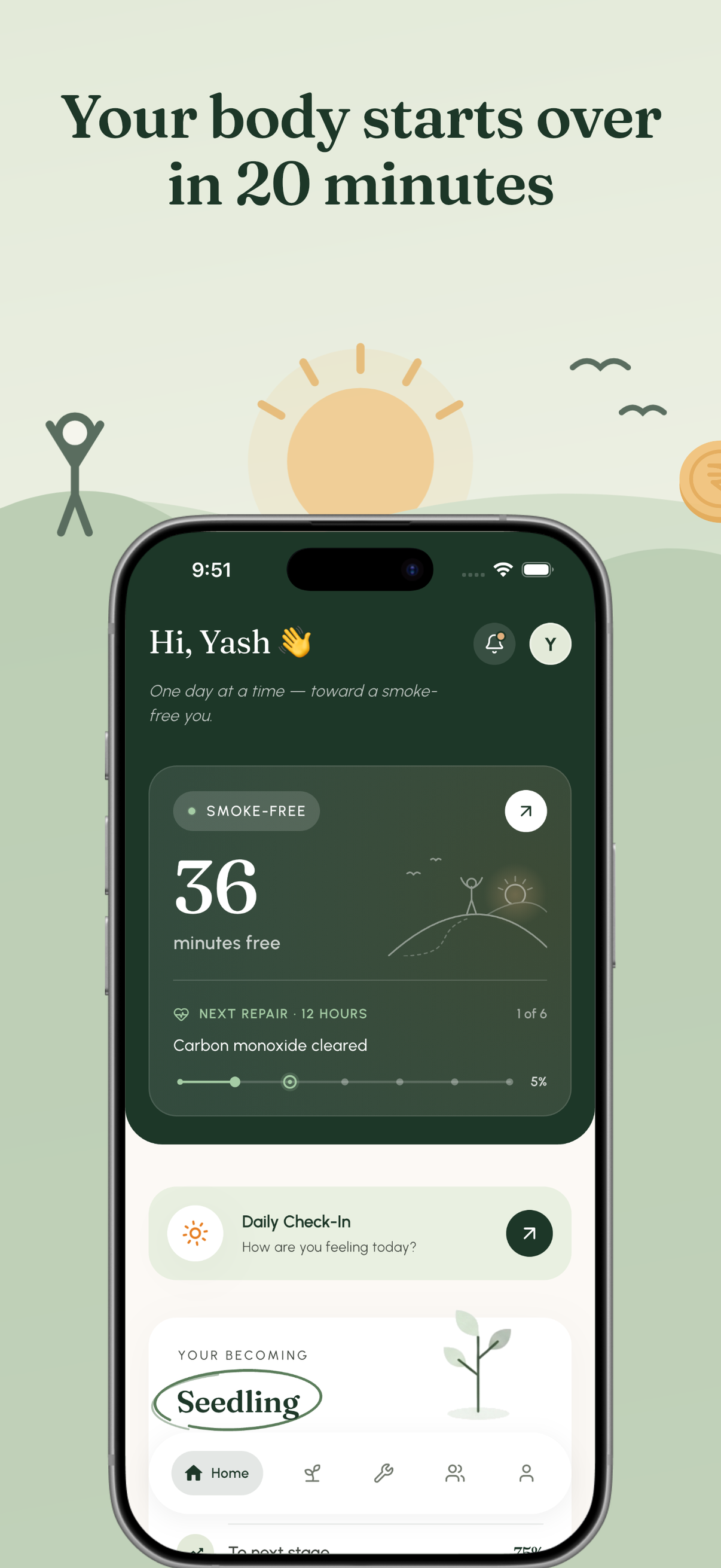
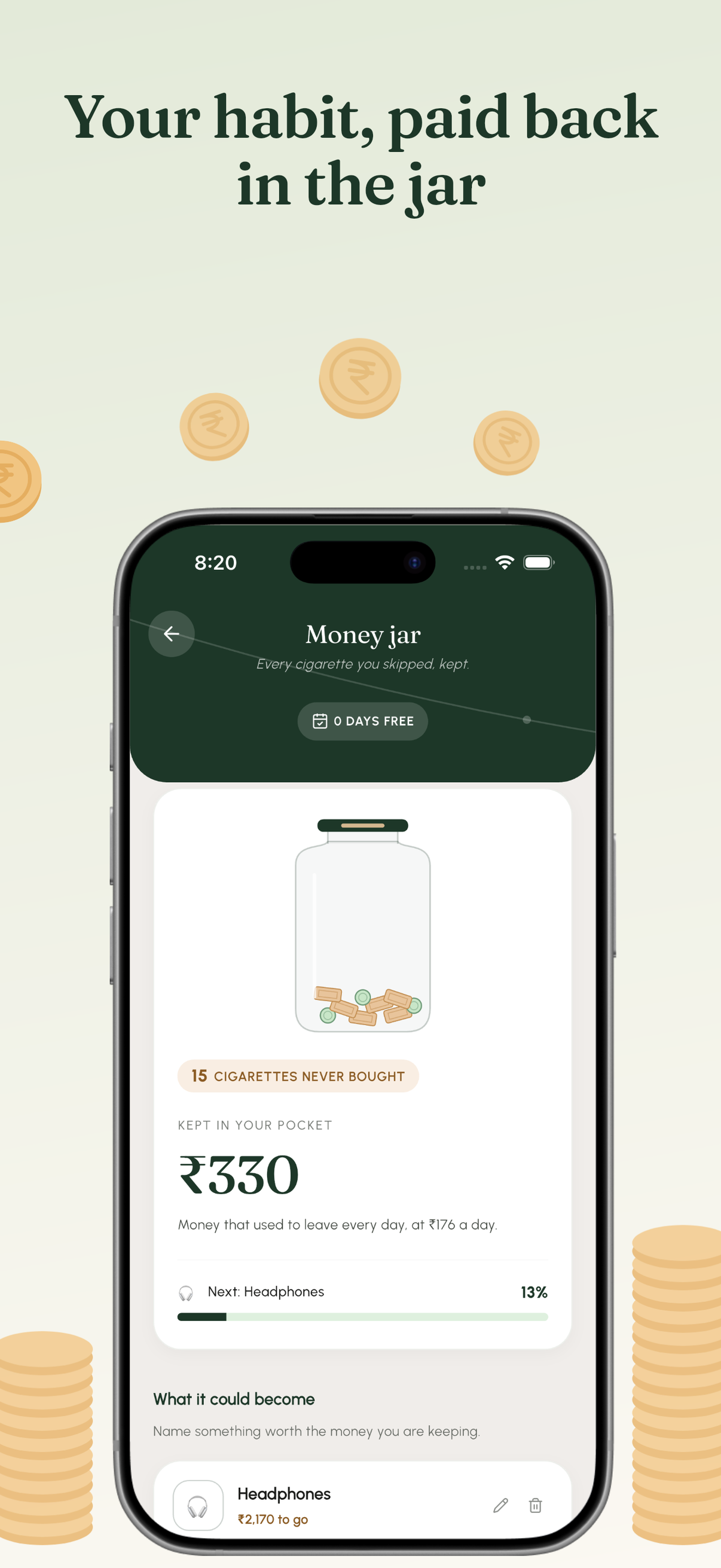
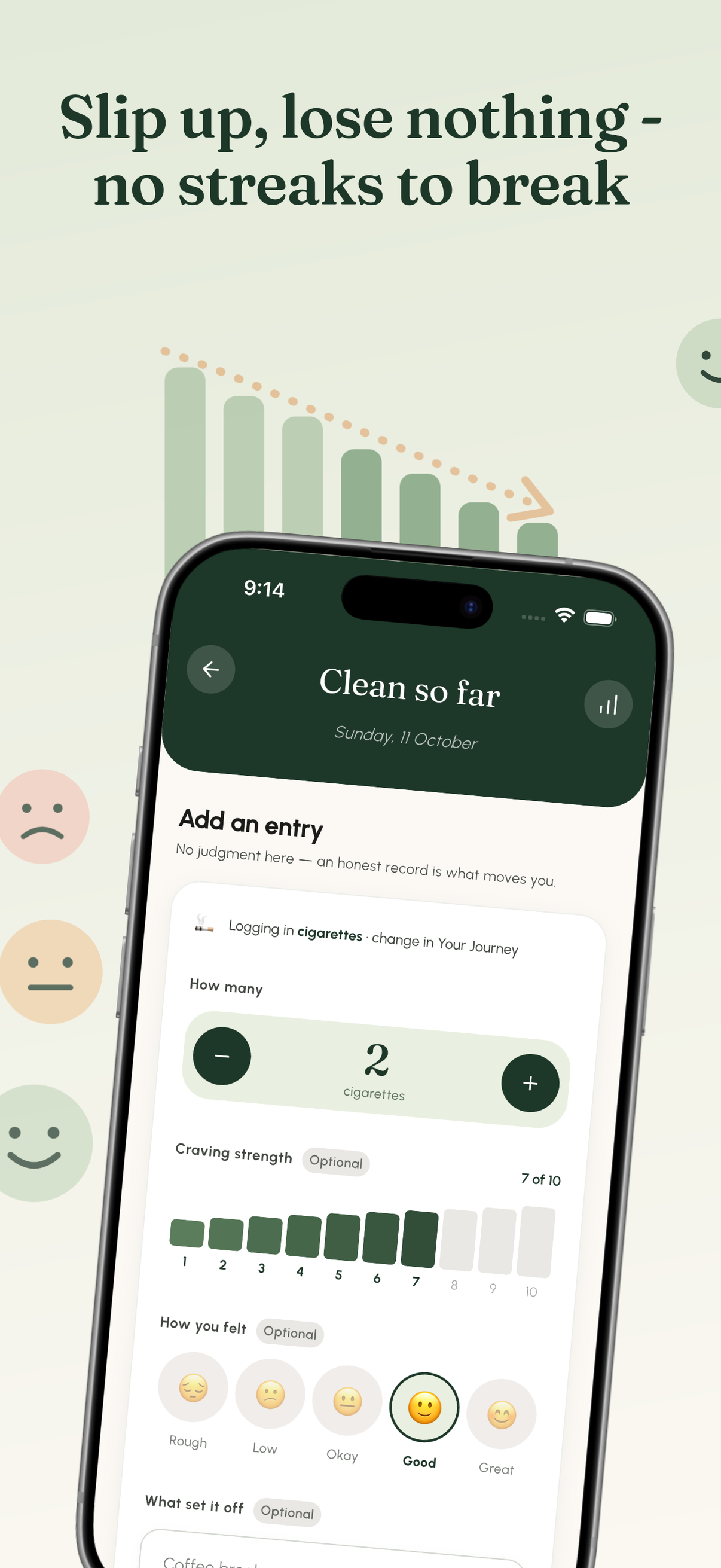
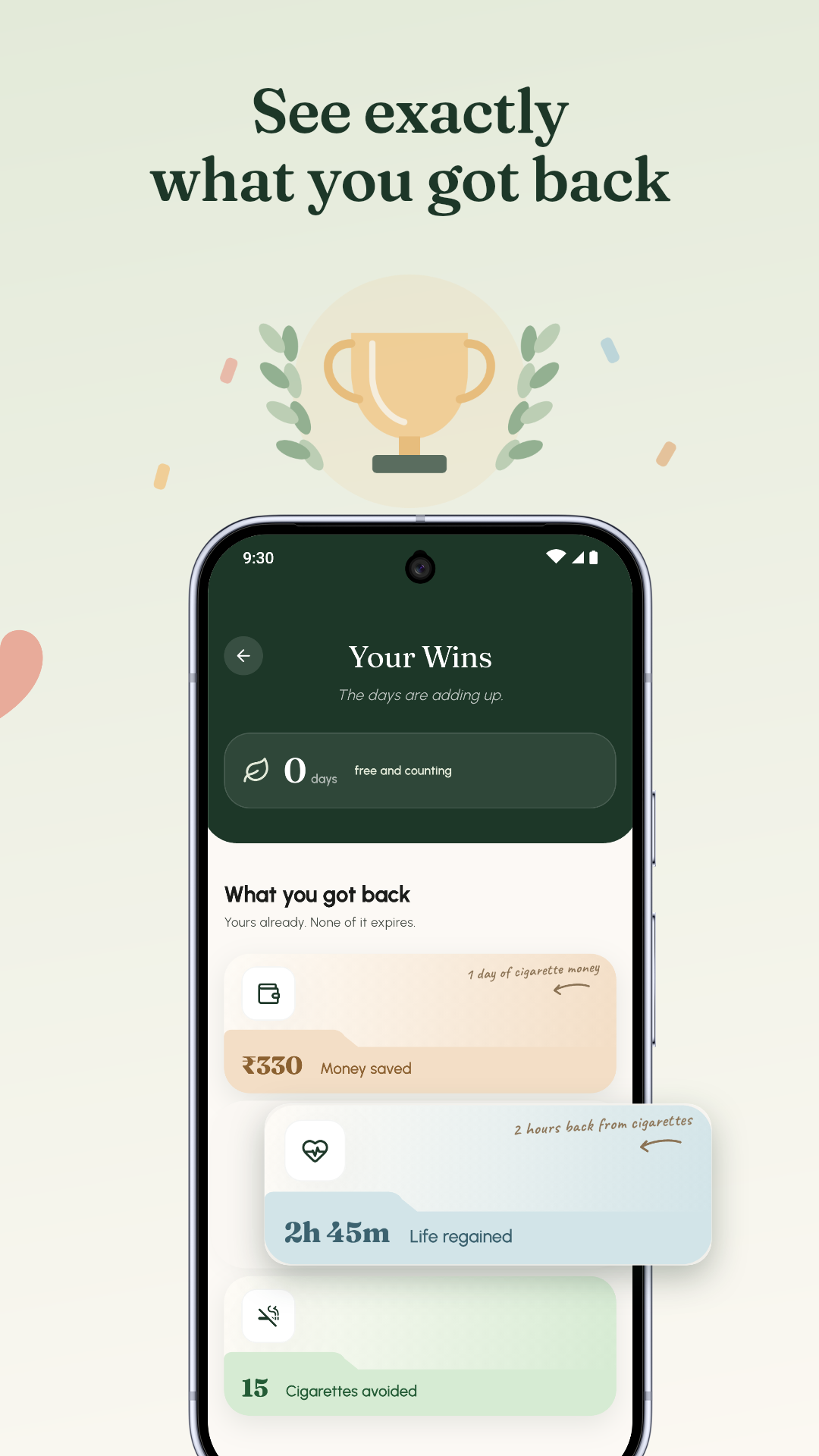
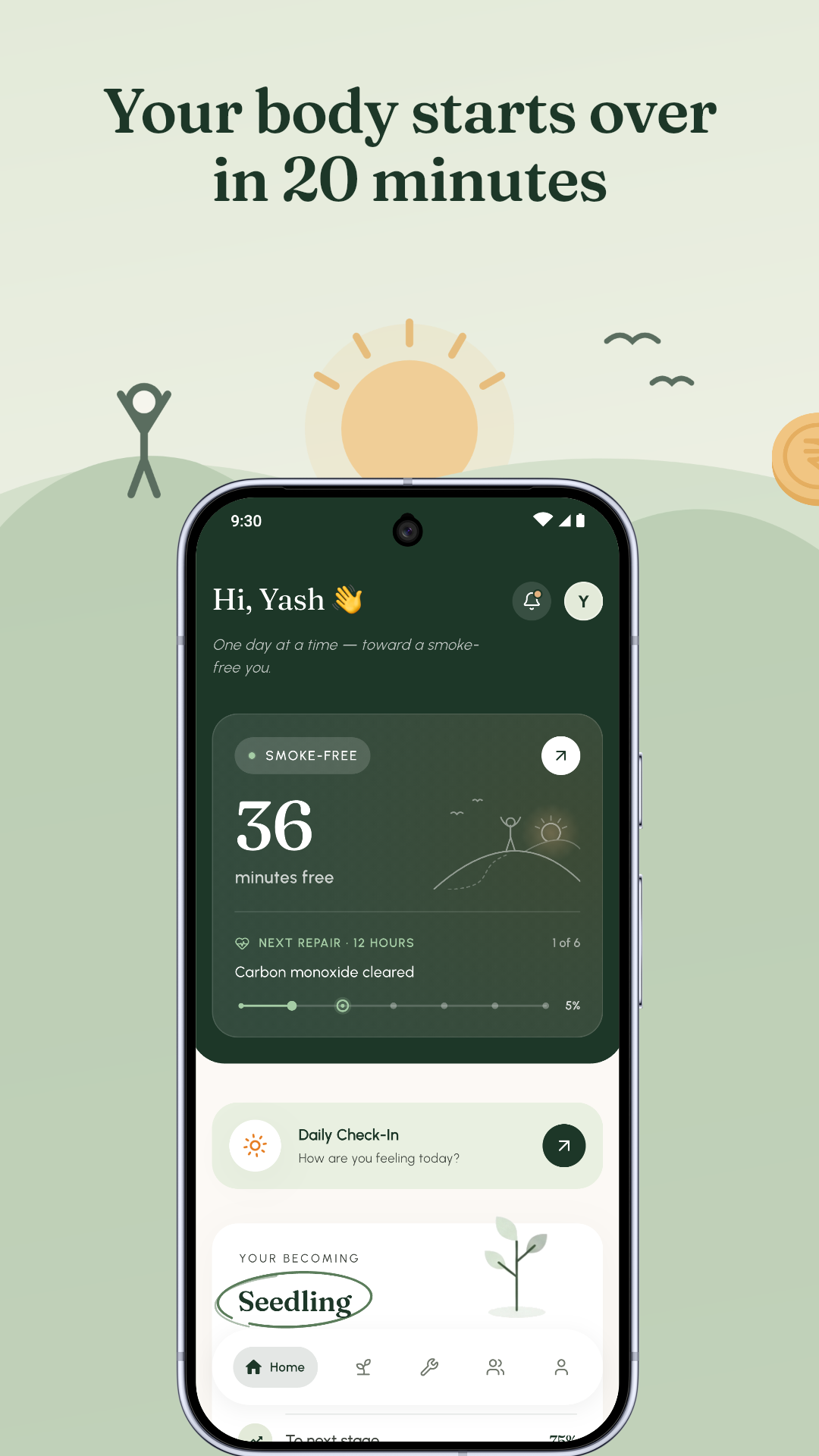
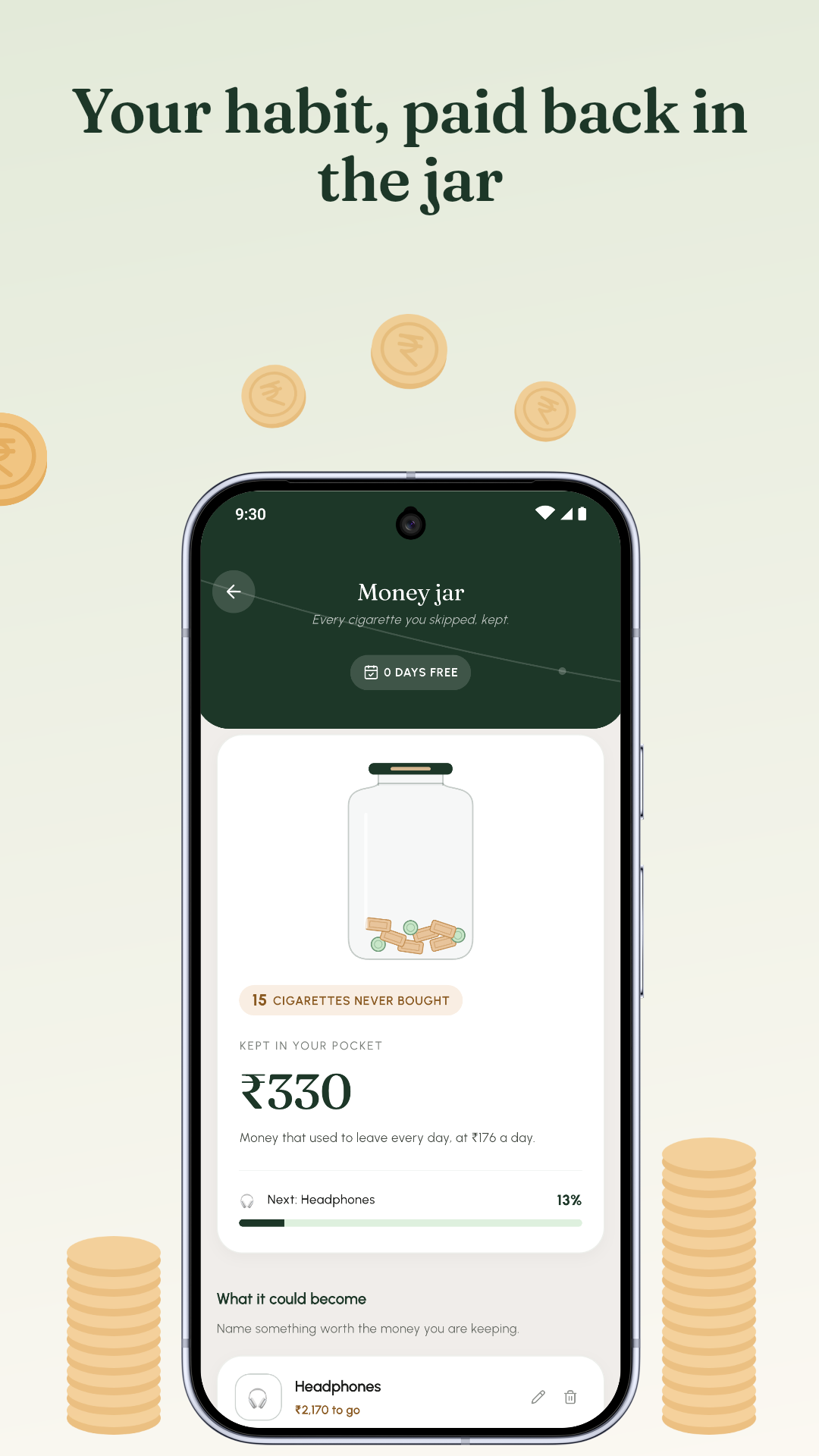
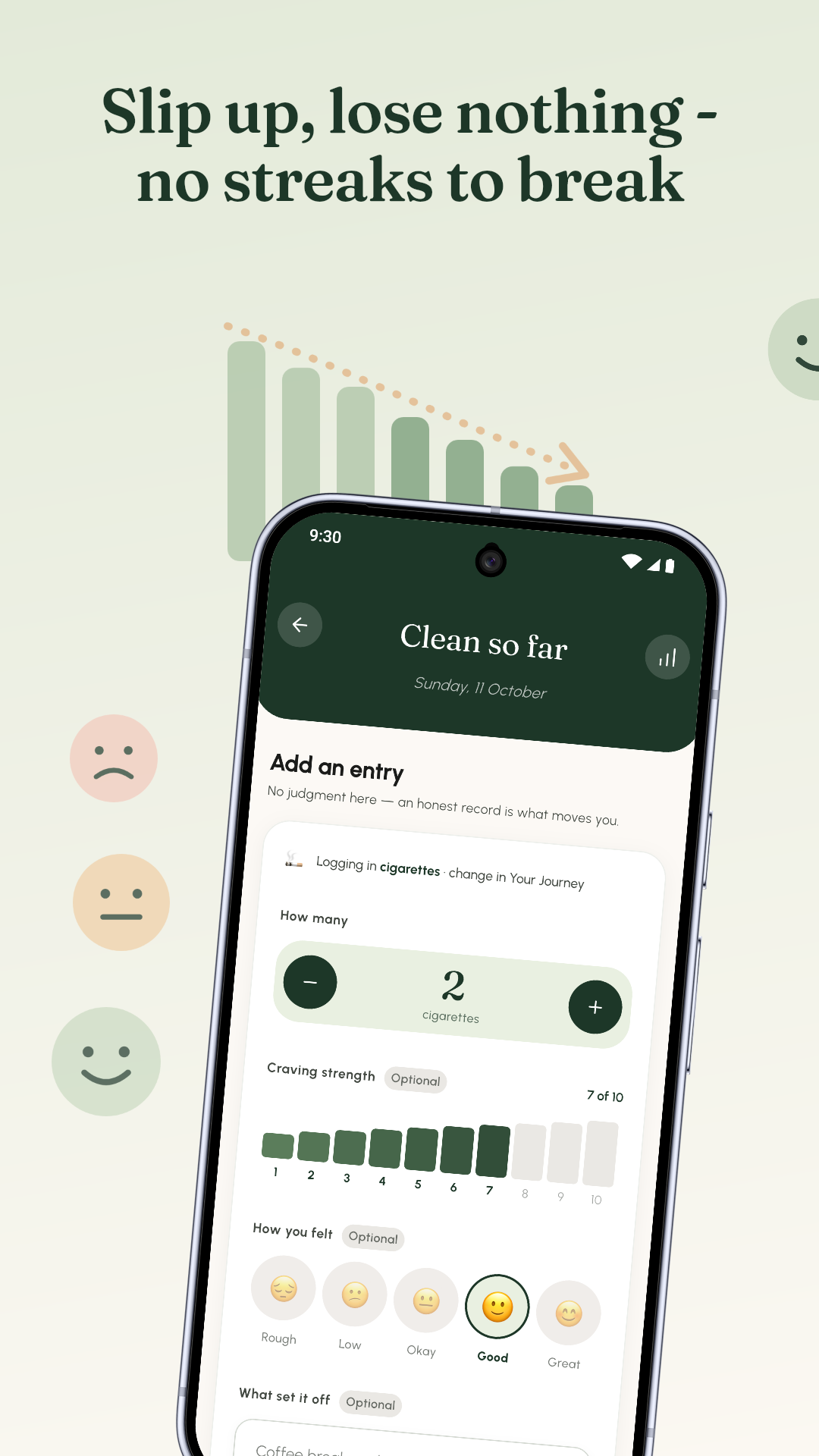
| Tracker | Days free, money saved, cigarettes, puffs or sessions avoided, and health recovery milestones from 20 minutes to a year. A relapse never resets it |
| Who it's for | Adults 18 and over |
| Website | nicoxit.app |
| Press contact | contact@nicoxit.app |
About Nicoxit
Nicoxit is a quit-nicotine app from Quitzen Studio LLP, available on Google Play and the App Store. It delivers a structured seven-day programme of 31 modules covering cigarettes, vapes, IQOS and hookah. Users keep using nicotine as normal during the programme and stop on the final day. The programme works on the psychological side of quitting: the beliefs that make nicotine feel calming, focusing or necessary. Each day combines short modules, written exercises and in-app tools that trace a belief to its source, test it and set it aside. The app also includes Quinn, an AI quit coach; a progress tracker that a relapse never resets; and Clean Air Club, an in-app community. Nicoxit is built on published behavioural science.
How the course works
The first instruction is: don't quit yet. Users keep smoking or vaping as normal while the course works on the reasons they reach for nicotine. They stop at the end of Day 7.
- Day 1: Open Your Eyes
- Day 2: The Trap Revealed
- Day 3: The Beliefs You Carry
- Day 4: The Truth Test
- Day 5: The Honest Mirror
- Day 6: Building Your Bridge
- Day 7: Crossing Over
The Borrowed Beliefs model
Nicoxit is built on the Borrowed Beliefs model, from Nicoxit. It starts from the view that the beliefs keeping someone on nicotine were borrowed, not chosen. Examples are that it calms them, sharpens them or gets them through the day. Each belief is traced to one of three lenders: biological, cultural or social. It is then tested against the person's own experience, and returned if it doesn't hold. Identity isn't a fourth lender. It is what changes once the borrowed beliefs are gone.
The science behind the design
Each part of the course is built on a finding from published behavioural science:
- Suppression backfires. In an experiment, smokers who were told to suppress thoughts about smoking went on to smoke more (Erskine et al., 2010). This is why the course never asks users to fight cravings, and why they keep smoking until Day 7.
- Noticing a craving is a skill that can be trained. A randomised trial in daily smokers tested training people to notice cravings, or reframe them, instead of acting on them (Roos et al., 2023). This is behind the "Log an urge" tool and Urge Surfing.
- Specific plans close the gap between intending and doing. A meta-analysis of 642 tests found that if-then plans help people follow through on what they intend (Sheeran, Listrom & Gollwitzer, 2025). This is why Day 6 builds a written if-then plan and each user writes an anchor statement.
- Feeling like a different person can hold people back. Research in smokers links quitting to a sense of becoming someone else, and that sense can be a barrier (Blondé & Falomir-Pichastor, 2026). This is why the course treats becoming a non-smoker as part of the work.
Health content review
Health articles on nicoxit.app are reviewed for clinical accuracy by Natasha Tehlan, M.Phil Clinical Psychology · RCI-registered (CRR A108753).
Not to be confused with
Nicoxit is not affiliated with Nicox IT Solutions, an IT consultancy, or with NicOx SA, a pharmaceutical company. The name is one word, with a capital N only.
Downloads
Download everything (ZIP, 14 MB)
- Logo: wordmark, PNG, 2048 × 2048. Please use it as supplied: don't redraw it, recolour it or change its proportions.
- App icon: PNG, 1024 × 1024.
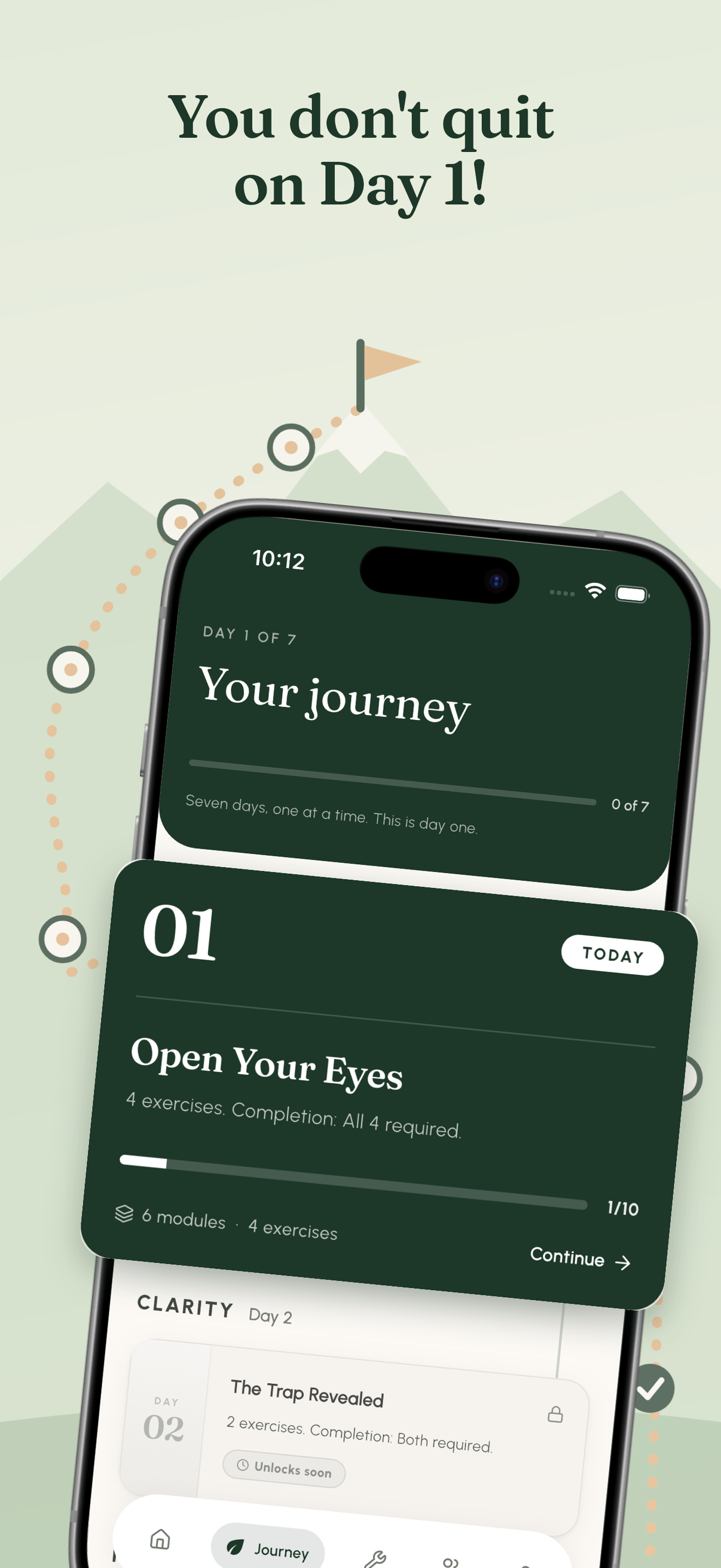
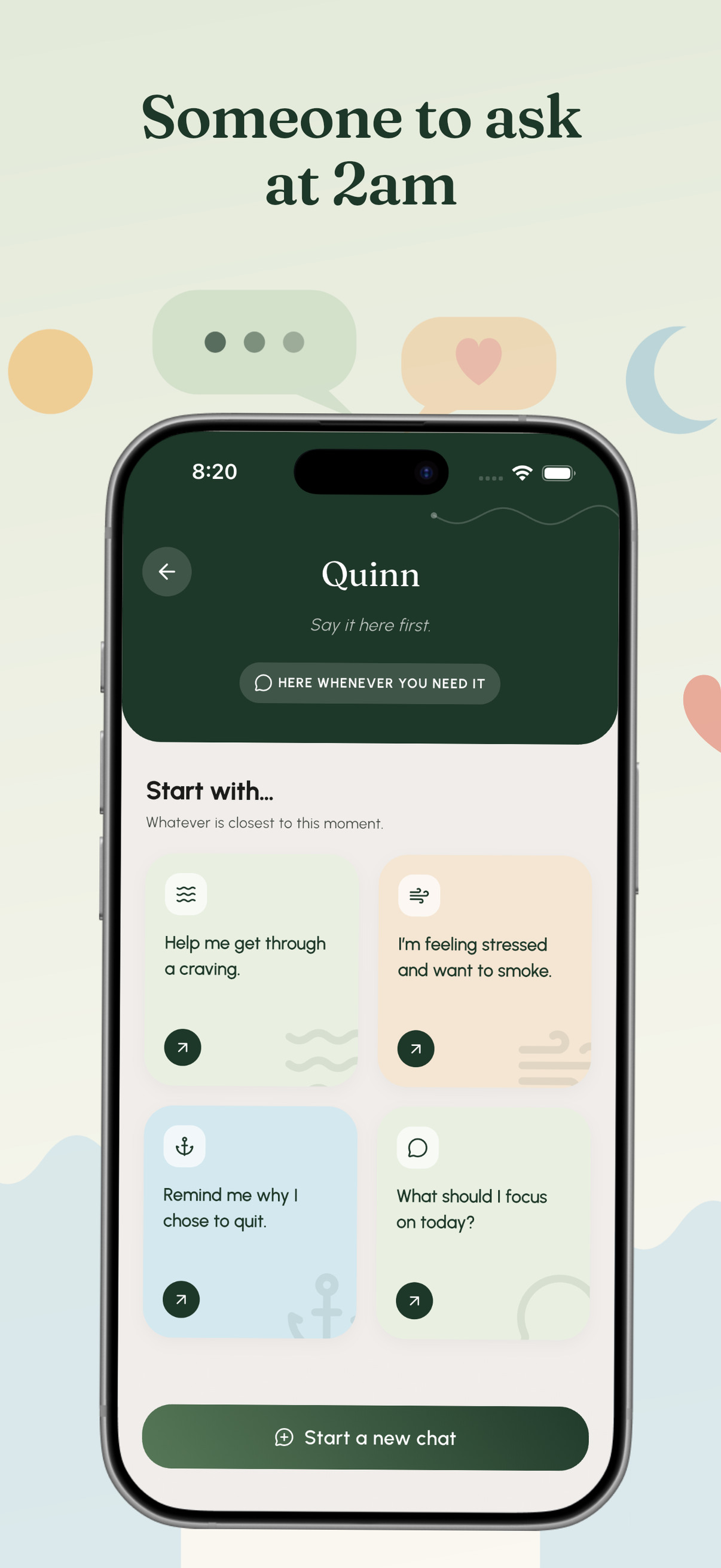
- Screenshots: 6 iPhone screens, PNG, 1206 × 2622: Your Journey, Quinn, Your Wins, Home, Money Jar, Clean So Far. 8 Android screens, PNG, 1080 × 1920: the same six, plus Your Toolbox and Clean Air Club.

iPhone
Android
Nicoxit is on Google Play and the App Store.

References
- Erskine, J. A., Georgiou, G. J., & Kvavilashvili, L. (2010). I suppress, therefore I smoke. Psychological Science, 21(9), 1225–1230. https://doi.org/10.1177/0956797610378687
- Roos, C. R., Harp, N. R., Vafaie, N., Gueorguieva, R., Frankforter, T., Carroll, K. M., & Kober, H. (2023). Randomized trial of mindfulness- and reappraisal-based regulation of craving training among daily cigarette smokers. Psychology of Addictive Behaviors, 37(7), 829–840. https://doi.org/10.1037/adb0000940
- Sheeran, P., Listrom, O., & Gollwitzer, P. M. (2025). The when and how of planning: Meta-analysis of the scope and components of implementation intentions in 642 tests. European Review of Social Psychology, 36(1), 162–194. https://doi.org/10.1080/10463283.2024.2334563
- Blondé, J., & Falomir-Pichastor, J. M. (2026). Self-discontinuity as a barrier to identity and behaviour change: Evidence from smoking cessation. European Journal of Social Psychology, 56(2), 316–330. https://doi.org/10.1002/ejsp.70044